Blogs

Sharing knowledge is key to an innovative and healthy industry! This knowledge center is therefore a central place on our website to share information. Read all about our industry in the blogs below!

Top Trends in Dry Bulk Tanks for 2026 What to Know?

As the industry evolves, understanding the future of Dry Bulk Tanks is crucial. With projections indicating a market growth of over 5% CAGR by 2026, stakeholders must stay informed. Dry Bulk Tanks play a vital role in the logistics and storage of raw materials. According to a recent report from MarketsandMarkets, the rise in demand for efficient cargo handling systems fuels this growth.

Technological advancements are reshaping the design and functionality of Dry Bulk Tanks. Innovations in materials and monitoring systems increase safety and efficiency. However, challenges remain. Many facilities struggle with outdated infrastructures, which can hinder operational improvements. Addressing these gaps is essential for maintaining competitiveness in the market.

Moreover, environmental regulations continue to impact the industry. Companies will need to adapt their practices accordingly. Embracing sustainability can enhance brand reputation and compliance. In this dynamic landscape, it is imperative to remain agile and aware of these trends to leverage opportunities in the Dry Bulk Tanks sector.

Top Trends in Dry Bulk Tanks for 2026 What to Know?

Emerging Technologies in Dry Bulk Tank Design for 2026

The dry bulk tank industry is evolving rapidly, driven by emerging technologies and new design paradigms. In 2026, the focus will be on optimizing capacity and enhancing safety. Advanced materials like composite structures will gain traction. These materials promise lighter and more robust tanks, reducing fuel consumption during transport and ensuring structural integrity. According to recent studies, using these materials could cut operational costs by up to 15%.

Smart technology integration is another critical trend. Sensors and IoT devices will become standard features in bulk tank designs. They will monitor tank conditions in real-time, ensuring safety and efficiency. Data from industry reports indicate that predictive maintenance driven by such technologies could reduce downtime by approximately 20%. However, challenges remain in data management and security. Companies must address potential vulnerabilities in these systems, as cyber threats loom large.

Sustainability will also shape design decisions in the coming years. Eco-friendly coatings and insulation materials will help minimize environmental impact. Yet, there is uncertainty about the long-term effectiveness of these green technologies. Industry experts emphasize the need for rigorous testing and validation. As trends evolve, ongoing evaluation of new technologies will be essential for success in the dry bulk tank sector.

Top Trends in Dry Bulk Tanks for 2026 What to Know?

Trend Description Expected Impact Emerging Technologies
Automation Integration of automated systems for monitoring and control. Increased efficiency and reduced labor costs. IIoT, AI-driven analytics.
Sustainability Focus on environmentally friendly materials and processes. Better compliance with regulations and enhanced public image. Biodegradable coatings, energy-efficient designs.
Data Analytics Utilization of big data for predictive maintenance and optimization. Reduced downtime and maintenance costs. Machine learning algorithms, cloud computing.
Modular Design Flexible structures that can be adapted for various uses. Enhanced scalability and faster deployment. 3D printing, prefabricated components.
Smart Sensors Deployment of sensors for real-time data collection. Improved safety and risk management. Wireless technology, advanced monitoring systems.

Key Regulatory Changes Impacting Dry Bulk Tank Operations

The landscape of dry bulk tank operations is changing rapidly. Regulatory changes are a significant factor influencing this evolution. In the coming years, strict environmental guidelines will impact how companies operate. New emissions standards are being set, which may lead to increased operational costs. Companies must adapt to these requirements to remain compliant.

Additionally, safety regulations are becoming more stringent. These aim to address incidents related to the transport of bulk materials. Operators will need to invest in advanced safety training and better equipment. While these changes aim to improve safety, they also introduce operational challenges. Some companies may struggle to keep up with the pace of these adjustments.

This regulatory environment calls for continuous reflection. Companies should regularly assess their operations against new regulations. Failure to comply can lead to substantial fines and reputational damage. Effective communication within teams about these changes is crucial. Investing time in understanding the regulations can yield long-term benefits.

Top Trends in Dry Bulk Tanks for 2026

This chart illustrates the projected growth of various trends in dry bulk tank operations by 2026, focusing on key regulatory changes and their anticipated impact on operational efficiency, safety, and sustainability.

Sustainability Practices in Dry Bulk Tank Management

The shift towards sustainability in dry bulk tank management is gaining momentum. Companies are increasingly adopting eco-friendly practices to minimize their environmental impact. This includes the use of advanced materials that reduce emissions and enhance efficiency. Implementing these innovations can lead to significant operational changes.

Operators can focus on optimizing loading and unloading processes. This can lower energy consumption and reduce costs. Additionally, measuring carbon footprints can provide unprecedented insights into operations. The challenge lies in accurately monitoring and improving these metrics.

Training staff on sustainability practices is vital. Acknowledgement of these practices can drive change at every level of the organization. Incorporating stricter guidelines for maintenance can also help avoid leaks and waste. As these practices evolve, reflection and adaptation will be necessary to achieve a truly sustainable future in dry bulk tank management.

Market Demand Forecast for Dry Bulk Tanks in 2026

The demand for dry bulk tanks is expected to rise significantly by 2026. According to a recent industry report, the global market for dry bulk storage is projected to expand at a compound annual growth rate (CAGR) of 4.8%. Key factors driving this growth include an increase in global trade and the need for efficient storage solutions. Additionally, sectors such as agriculture and construction are anticipated to drive demand further.

Areas of concern remain. The infrastructure for storage does not uniformly meet the increased requirements. Quality control and maintenance practices often lag behind market needs. A 2022 survey highlighted that 62% of operators reported challenges in ensuring tank integrity and performance. This points towards a need for improved technologies and best practices in tank management. Better training programs for staff could mitigate some of these issues.

Moreover, sustainability is becoming a crucial focus. Regulatory pressures are pushing companies to adopt greener practices. Industry experts predict that by 2026, over 30% of new dry bulk tanks will need to comply with stricter environmental standards. Balancing profitability with sustainability is a challenge many firms must address. The question remains: Can the industry adapt quickly enough to meet these evolving demands?

Innovations in Safety Features for Dry Bulk Transportation Systems

Top Trends in Dry Bulk Tanks for 2026 What to Know?

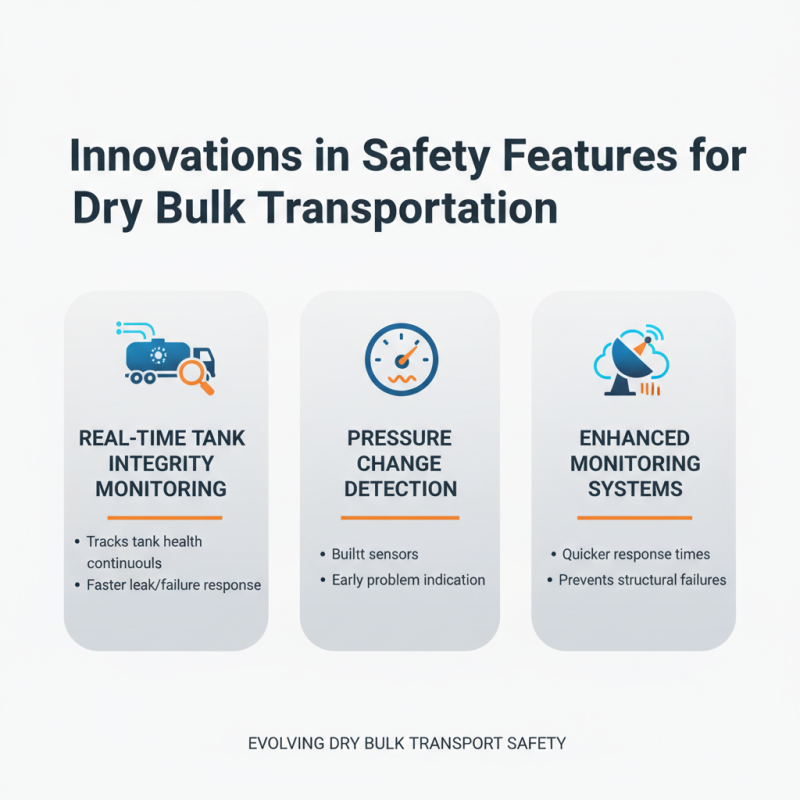
The landscape of dry bulk transportation is evolving rapidly. Safety features are at the forefront of these innovations. Enhanced monitoring systems now track the integrity of tanks in real time. This technology allows for quicker response times to leaks or structural failures. Built-in sensors can detect pressure changes, which often indicate a problem.

Furthermore, automatic shut-off mechanisms improve safety by reducing human error. Operators can focus on other critical tasks while the system manages potential hazards. New materials in tank construction also contribute to safety. They are more resistant to wear and tear compared to traditional materials. However, challenges remain in ensuring these systems are universally implemented and maintained.

Despite advancements, the industry still grapples with the consistency of safety measures. Not all transport systems are adopting the latest technologies. This inconsistency could lead to vulnerabilities in certain operations. Continuous evaluation and training are essential. The commitment to safety must be a shared responsibility across all stakeholders involved in dry bulk transportation.