- Home
- >
- Knowledge Center
- >
- Blogs
Blogs
Sharing knowledge is key to an innovative and healthy industry! This knowledge center is therefore a central place on our website to share information. Read all about our industry in the blogs below!
How to Choose the Right Iso Tank Fittings for Your Needs?
When it comes to selecting Iso Tank Fittings, the options can be overwhelming. Different industries have specific requirements. The right fittings ensure safety and efficiency in transporting various liquids. Consider the materials and design suited for your cargo. Some fittings are designed for chemicals, while others work for food products.
Compatibility is crucial. Not all Iso Tank Fittings will fit your tanks perfectly. Take the time to measure and understand your tank specifications. Improper fittings can lead to leaks or contamination. It’s essential to invest in high-quality, reliable fittings to avoid costly mistakes.
Sometimes, manufacturers may not provide complete information. You might need to consult industry experts or conduct further research. Balancing cost and quality can be challenging. Always reflect on your unique needs before making a decision. The choices you make now impact the efficiency of your operations later.
Understanding Iso Tank Fittings: Types and Applications
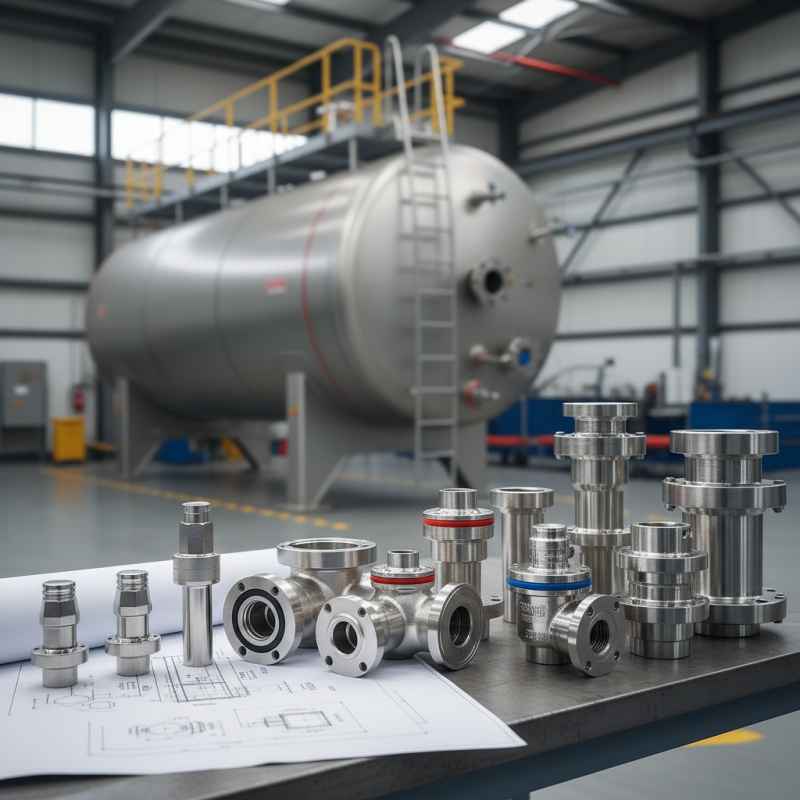
When selecting iso tank fittings, it's important to identify the types available. There are several fittings that serve different purposes. For instance, the common flange fittings are popular for their reliable sealing capabilities. Meanwhile, valves are crucial for regulating the flow of material. Each type has specific applications, depending on the contents of the iso tank.
Consider the material used for fittings. Stainless steel is often preferred for its durability and resistance to corrosion. In contrast, plastic fittings may be lighter and cheaper, but they often compromise on sturdiness. Moreover, various connection types, like threaded or quick-release fittings, cater to different operational needs.
Choosing the right fitting can be challenging. You might find that some popular choices don't fit all scenarios. It's crucial to evaluate your specific requirements. Discuss with industry experts for deeper insights. Remember, an ill-suited fitting may lead to leaks or inefficiencies. Thus, careful consideration is key to ensuring safety and performance.
How to Choose the Right Iso Tank Fittings for Your Needs?
| Fitting Type | Description | Common Applications | Material | Pressure Rating (psi) |
|---|---|---|---|---|
| Butterfly Valve | Used to start or stop the flow of liquids. | Chemical transport, water treatment. | Stainless Steel | 150 |
| Camlock Fitting | Quick-connect fitting suitable for transferring liquids. | Bulk liquid transport, fuel transfer. | Aluminum, Stainless Steel | 100 |
| Screw Cap | Used to securely seal the tank for safety and containment. | Chemical storage, food transport. | Polypropylene, Stainless Steel | Varies by application |
| Flanged Fitting | Provides a robust connection, ideal for high-pressure applications. | Hydraulic systems, industrial applications. | Carbon Steel, Stainless Steel | 300 |
| Sight Glass | Allows visual inspection of liquid levels inside the tank. | Chemical and petroleum storage. | Glass, Stainless Steel | Varies by model |
Identifying Your Needs: Chemical Compatibility and Operational Factors
Choosing the right iso tank fittings is crucial. One of the key factors is chemical compatibility. Each chemical reacts differently with materials. Using inappropriate fittings can lead to failures or leaks, which may cause safety risks. According to a report by the American Institute of Chemical Engineers, about 30% of chemical spills are due to improper equipment selection.
Understanding operational factors is equally important. Consider the temperature and pressure of your operations. Each fitting has specific limits. Exceeding these limits is risky. For instance, PTFE fittings can handle a wide range of chemicals, but they may not withstand high pressures found in some applications. Think through these elements carefully.
Tips: Always verify compatibility before purchasing. Use databases or consult with experts for guidance. Conducting a risk assessment can illuminate potential issues. Remember, not all materials are equal. Take the time to research and test if needed. Mistakes in fitting selection can be costly.
Evaluating Connection Standards: ANSI, ISO, and Other Relevant Codes
When selecting iso tank fittings, understanding connection standards is crucial. The main standards include ANSI, ISO, and other relevant codes. ANSI defines American standards, while ISO addresses international compatibility. Each standard serves a unique purpose, focusing on safety, functionality, and performance.
For example, ISO 668 outlines dimensions for intermodal containers, impacting fitting requirements for transport. Conversely, ANSI B16.5 specifies flange types and materials. These standards ensure uniformity and safety across various applications. Reliable data indicates that approximately 30% of supply chain issues stem from improper fittings. Therefore, adhering to these standards reduces risks significantly.
Tip: Always consult the latest industry guidelines when selecting fittings. This will help you avoid costly mistakes.
Not all manufacturers meet these standards equally. Some may cut corners, which could lead to failures. Regularly reviewing industry reports and technical papers can uncover significant trends. Keep track of evolving regulations and adapt accordingly. Staying informed can save time and resources in the long run.
Selecting the Right Size and Design for Optimal Performance
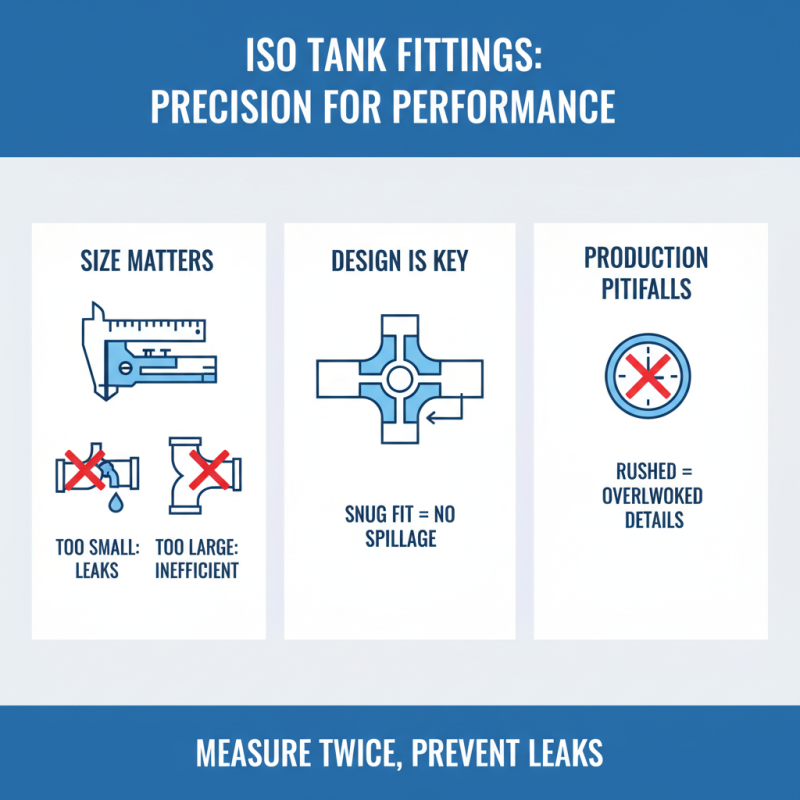
When selecting iso tank fittings, size and design are crucial for optimal performance. The wrong size can lead to leaks. It’s common to overlook these details in the rush of production. Each fitting needs to fit snugly to prevent any spillage. Measuring is essential. If you choose too small, the fitting won’t seal properly. If it’s too large, it will be inefficient.
Design matters too. Some fittings are made for specific materials. Others cater to various substances. This can impact safety and functionality. Think about the environment where the tanks will be used. Are extreme temperatures expected? Is there a risk of corrosion? These factors complicate the selection process.
A visual inspection of the fittings can reveal potential issues. Don't just rely on specifications. Sometimes, even minor imperfections can cause significant problems. Relying on assumptions can backfire. Be thorough in your evaluation. Testing may also be necessary, depending on the application. An ill-fitting design may seem insignificant, but it can lead to costly mistakes later on.
Maintenance and Safety Considerations for Iso Tank Fittings
When selecting iso tank fittings, maintenance and safety are key. Regular inspections should not be overlooked. Check for wear or damage that could lead to leaks. A small crack can escalate into a serious issue if ignored. Ensure all seals are intact and functioning properly.
Proper cleaning is essential. Residue buildup can compromise performance. Use appropriate cleaning agents and methods that won't damage fittings. Safety gear is also crucial during maintenance. Gloves and goggles protect against potential hazards.
Training staff on safety procedures is vital. Everyone should understand how to handle fittings correctly. Clear protocols can prevent accidents. Reflect on past incidents to improve practices. Even minor oversights can have significant consequences. Remember, a proactive approach is always better than reactive measures.
Related Posts
-
How to Choose the Best Iso Tank Fittings for Your Industrial Needs
-

Achieving Compliance in Best Iso Tank Transport with Import Export Certifications
-
Innovative Solutions for Efficient Iso Tank Transport Logistics
-
Exploring Iso Tanks Innovations at the 138th China Import and Export Fair 2025: Industry Insights
-
What is an Isotainer Tank and How Does it Work?
-
Unlocking Advantages of Isotainer Tanks for Safe and Efficient Chemical Transport