- Home
- >
- Knowledge Center
- >
- Blogs
Blogs
Sharing knowledge is key to an innovative and healthy industry! This knowledge center is therefore a central place on our website to share information. Read all about our industry in the blogs below!
How to Choose the Best Tank Container Parts for Your Needs?
Choosing the right parts for tank containers is crucial for efficiency and safety. According to renowned industry expert Dr. Emily Carter, "Selecting the best tank container parts can significantly impact operations." Her insights highlight the importance of understanding which components suit your specific needs.
Tank Container Parts come in various types and qualities. Understanding these differences can improve your transport solutions. Considerations such as material, durability, and compatibility are critical. Failing to select the appropriate parts can lead to costly operational delays or safety hazards. Many companies overlook these details, leading to regrets later.
Always question your choices. Are you truly aware of the specifications you need? Engaging with experts can provide clarity. It's essential to stay informed about advancements in tank container technology. This can guide you in making well-informed decisions. Trustworthy suppliers can also influence the quality of your parts. Prioritizing reliable sources can enhance overall performance and safety.
Understanding Tank Container Parts and Their Functions
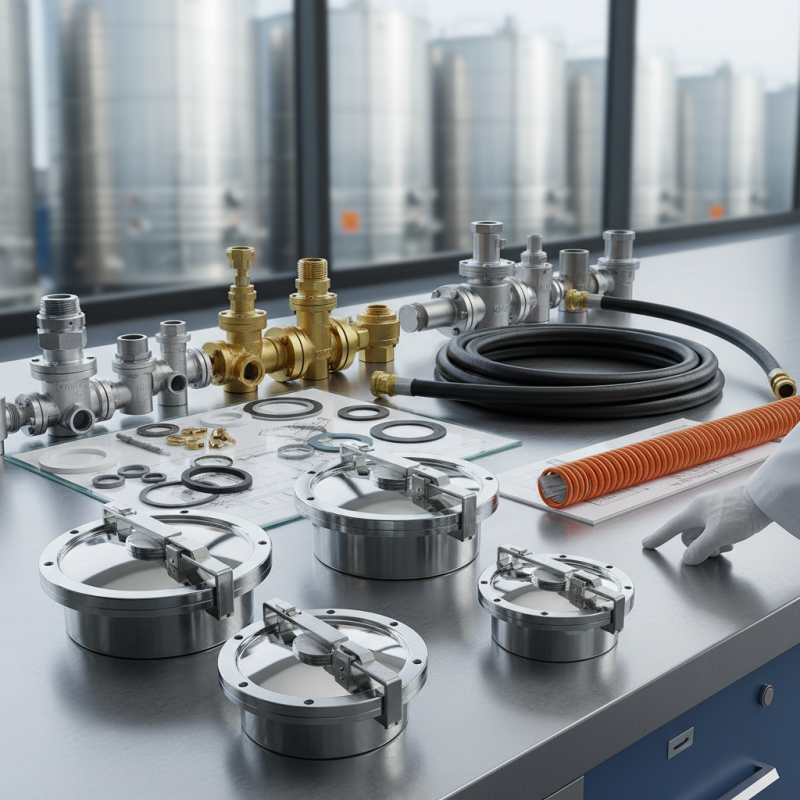
When selecting tank container parts, understanding their functions is crucial. Each component plays a vital role in ensuring safety and efficiency. For instance, valves control the flow of liquid, while pressure relief devices maintain internal safety. Reports indicate that improper valve selection can lead to leaks, causing significant losses.
The quality of insulation materials is another key factor. Insulation protects temperature-sensitive cargo, impacting overall shipment safety. A study by the International Tank Container Organization highlights that inadequate insulation can result in product spoilage, impacting profit margins. Additionally, tank linings must be compatible with the cargo, as incorrect choices can lead to chemical reactions and damage.
Consideration of these parts is essential. Failures in tank components can lead to operational delays and safety hazards. Thorough evaluation and a focus on reliable parts can mitigate risks. Though challenges exist in sourcing high-quality components, ensuring a systematic selection process improves outcomes significantly. Users must remain vigilant, as not all parts meet industry standards.
Tank Container Parts Comparison
This bar chart represents the importance rating of various tank container parts. Each part is evaluated on a scale from 1 to 10 based on its criticality in ensuring the safety and efficiency of tank containers.
Identifying Your Specific Needs for Tank Container Parts
When selecting tank container parts, it's vital to clearly identify your specific needs. The industry reports indicate that approximately 30% of operational issues arise from mismatched or substandard components. This highlights the importance of understanding what your container requires to function efficiently. Consider factors such as cargo type, temperature control, and compatibility with handling equipment.
For example, if you're transporting chemicals, parts must meet the appropriate safety standards to prevent leaks. According to a 2021 safety audit report by a leading industry organization, improper tank fittings contributed to over 15% of incidents. Such data underscores the necessity of accurate specifications.
Additionally, evaluating the durability of components can save costs in the long run. A recent study found that investing in high-quality valves reduced maintenance needs by 25%. Always question if the parts will withstand your operational environment. Discussing your requirements with industry experts can offer valuable insights. Seek recommendations and be open to feedback, as this is crucial for making the best choice.
Evaluating Material Quality and Durability of Parts
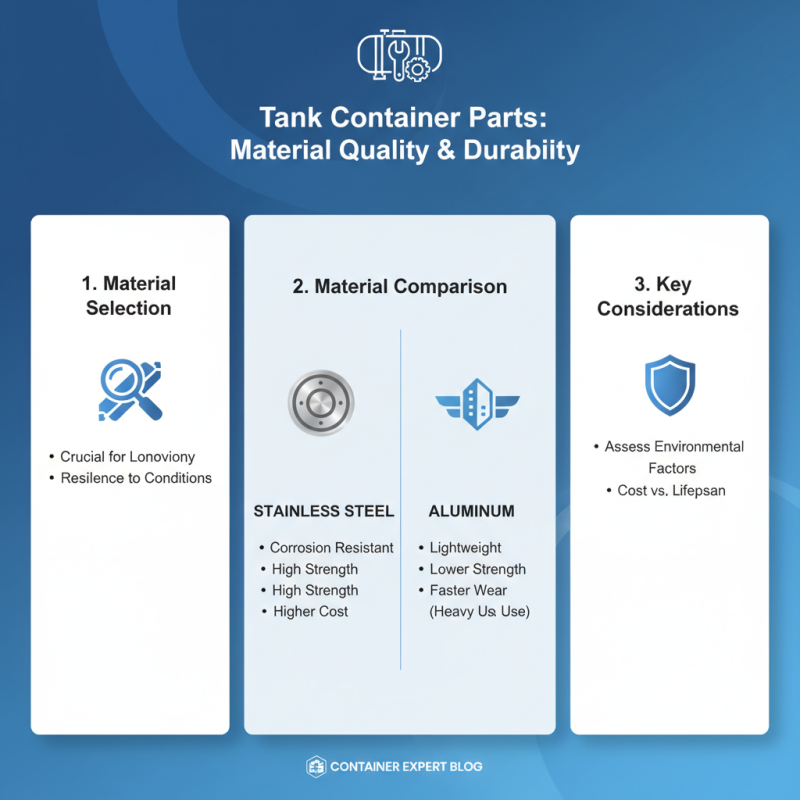
When selecting tank container parts, material quality and durability are crucial factors. High-quality materials can significantly affect the longevity of your container. Stainless steel is often favored for its resistance to corrosion. However, it can be more expensive. Other materials, like aluminum, offer a lightweight alternative but may wear out faster under heavy use. You need to assess how each material responds to various environmental conditions.
Durability goes beyond just the initial material choice. The manufacturing process impacts the final product's strength and reliability. Poorly made parts may fail under pressure, leading to costly repairs. Evaluate the welding techniques and assembly methods used in the parts. Ask for specifications and testing certifications to ensure they meet industry standards.
Consider your specific usage requirements as well. If you transport hazardous materials, focus on parts designed for safety and stability. Reflect on any previous experiences with parts that did not meet your needs. This can guide your decision-making process. Ultimately, your container's performance will rely heavily on the quality of its individual components.
Comparing Suppliers and Manufacturers for Reliability
When selecting tank container parts, reliability is critical. Not all suppliers are created equal. Some might offer attractive prices but lack quality assurance. Look for manufacturers with a proven track record. Their experience can save you from costly replacements or safety hazards.
Quality checks are essential. Evaluate a supplier’s production standards and materials used. Certifications can indicate reliability, but they don’t tell the whole story. Visiting facilities can provide insight into their operations. Ask about warranty policies. A robust warranty signifies confidence in their products.
Don’t overlook customer feedback. Reviews can be revealing. They may highlight potential issues or highlight strengths. Seek testimonials and speak to past clients. A reliable partner prioritizes transparency. It’s the details that matter. Take your time to choose wisely, as the right parts enhance safety and performance.
Cost-Benefit Analysis of Different Tank Container Parts
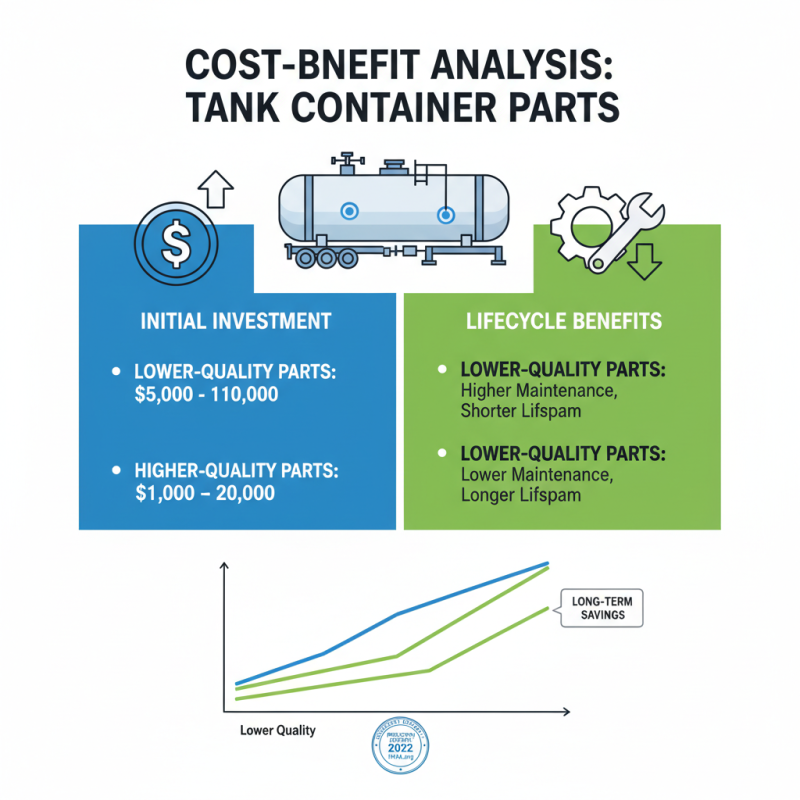
When selecting tank container parts, a comprehensive cost-benefit analysis is essential. Tank parts vary significantly in cost and quality. According to a 2022 industry report from the International Tank Container Association, the average lifecycle cost of tank container parts can span from $5,000 to $20,000 depending on material choices and durability. Higher-quality parts may incur a steeper initial investment, but they often lead to lower maintenance costs.
Material choice plays a critical role in cost-effectiveness. Stainless steel tanks, for instance, provide excellent durability and corrosion resistance, but they come with higher upfront costs. In contrast, aluminum tanks are lightweight and less expensive, but may require more frequent replacement. The industry report indicates that over 30% of businesses cited equipment longevity as a primary factor in their cost evaluations. Choosing the right parts not only impacts immediate capital expenditure but also affects long-term operational efficiency and safety.
Not every company has the budget for premium parts. Companies must weigh the potential risks of using lower-quality components. Subpar parts can lead to failures, resulting in costly downtime and repairs. A balance between cost and reliability is necessary. Reflecting on the investment in tank container parts, it’s crucial to consider factors beyond just the price tag.
Related Posts
-
How to Choose the Best Iso Tank Fittings for Your Industrial Needs
-
Unlocking Efficiency: The Benefits of Superior Tank Container Parts for Your Business
-
7 Ultimate Tips for Sourcing the Best Tanker Parts for Your Business
-
Why Is Iso Tank Transport Essential for Safe and Efficient Shipping?
-
Understanding the Future of Tank Containers in Global Logistics and Supply Chain Management
-
Embracing 2025 Technology Trends in Best Tanker Trailer Procurement Strategies