- Home
- >
- Knowledge Center
- >
- Blogs
Blogs
Sharing knowledge is key to an innovative and healthy industry! This knowledge center is therefore a central place on our website to share information. Read all about our industry in the blogs below!
Why Choose Cryogenic Gearbox for Your Industrial Needs?
In today's industrial landscape, efficiency and reliability are paramount. Cryogenic Gearboxes are a crucial component for many applications in extreme environments. They operate effectively in low-temperature settings, providing superior performance where standard gearboxes may fail.
Many industries, including aerospace and pharmaceuticals, face unique challenges. These challenges require specialized solutions. A cryogenic gearbox ensures optimal functionality under these conditions. Its design minimizes wear and tear, enhancing durability. Users often report lower maintenance costs and longer service life, which boosts overall productivity.
However, selecting a cryogenic gearbox can be complex due to varying specifications. It's important to consider the specific needs of your operation. Not every option may fit seamlessly into your system. Evaluating performance parameters is essential to making an informed decision. Addressing these challenges requires a thorough understanding of the technology and its application. Ultimately, the right cryogenic gearbox can be a game-changer for your industrial processes.
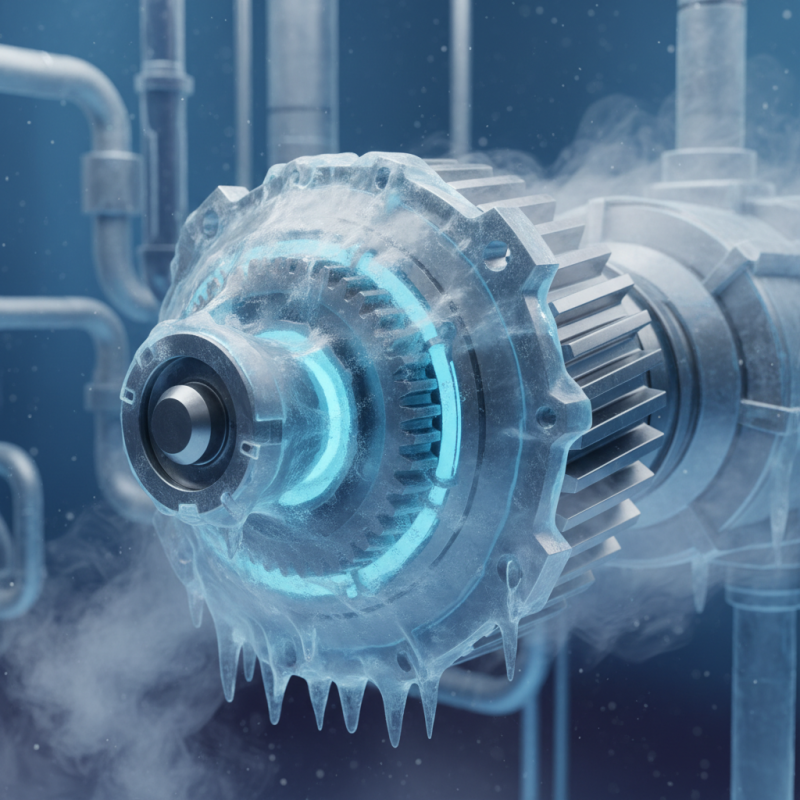
Benefits of Cryogenic Gearboxes in Industrial Applications
Cryogenic gearboxes offer numerous advantages for industrial applications. These specialized gearboxes operate efficiently at extremely low temperatures. This feature is crucial for industries like aerospace and energy, where performance can be compromised by cold environments. The design of cryogenic gearboxes minimizes wear and tear, ensuring longevity and reliability.
One major benefit is their ability to maintain high torque. In cold conditions, many materials become brittle. However, cryogenic gearboxes use robust materials that resist this brittleness. Thus, they provide consistent torque output, essential for heavy-duty applications. This can lead to fewer breakdowns and reduced maintenance costs over time.
Moreover, these gearboxes sometimes face challenges like limited availability. Not all manufacturers produce cryogenic gearboxes, which can make sourcing more complex. Companies must carefully evaluate their suppliers to ensure they are getting high-quality products. When used effectively, cryogenic gearboxes can significantly enhance operational efficiency and reduce the risk of equipment failure.
Understanding the Operating Principles of Cryogenic Gearboxes
Cryogenic gearboxes operate under extreme conditions, making them essential for specific industrial applications. These gearboxes manage low-temperature environments effectively. They utilize special materials and designs to function without compromising performance. The unique operating principles stem from their capacity to handle thermal contraction and stress. When temperatures drop, conventional gearboxes may struggle, leading to failures.
One key aspect of cryogenic gearboxes is the lubrication system. At low temperatures, standard lubricants can become viscous. Cryogenic gearboxes use specialized lubricants that maintain flow and provide adequate protection. This ensures smooth operation even when the gear experiences thermal expansion or contraction. Another consideration is the gearbox's construction. It often includes thermal insulation and optimized geometries to withstand harsh conditions.
While cryogenic technology offers many advantages, challenges remain. Engineers must meticulously design these components. Any shortcomings in material choice can lead to inefficiencies. Moreover, regular maintenance becomes crucial, as neglect can affect performance. Understanding these operational principles is vital for industries relying on cryogenic systems. Continuous innovation and testing are necessary for improving these gearboxes' reliability and effectiveness.
Performance Comparison of Cryogenic Gearbox Efficiency
Key Industries Utilizing Cryogenic Gearboxes and Their Impact
Cryogenic gearboxes play a crucial role in several key industries. Their ability to function effectively at extremely low temperatures makes them indispensable in sectors like liquefied natural gas (LNG) and aerospace. In LNG plants, these gearboxes ensure smooth operation of pumps and compressors, enabling efficient gas conversion. They withstand harsh environments, contributing to reduced downtime and increased safety.
In the aerospace industry, cryogenic gearboxes support various applications. They are vital for systems involving liquid hydrogen and oxygen, crucial for rocket propulsion. These gearboxes help optimize performance and reliability, which is essential for missions. However, challenges remain, such as the need for continuous testing to ensure functionality under extreme conditions. This aspect highlights the importance of ongoing research and innovation.
The automotive sector is also exploring cryogenic technology. Electrification of vehicles often requires efficient thermal management. Cryogenic solutions can enhance battery performance in some applications. Still, companies face hurdles in scalability and cost. Navigating these obstacles is key to successful adoption. As industries seek to harness the benefits of cryogenic gearboxes, understanding their complexities will shape future advancements.
Comparative Analysis: Cryogenic vs. Conventional Gearboxes
Cryogenic gearboxes have distinct advantages over conventional gearboxes in industrial applications. A recent industry report indicates that cryogenic gearboxes maintain efficiency even in extreme temperatures. This feature is essential in industries like liquefied natural gas (LNG) and aerospace, where conditions can plummet below -150°C. Conventional gearboxes struggle in these environments, often leading to reduced performance and increased wear.
Another critical aspect is lifespan. Industry analysis shows that cryogenic gearboxes can last up to 50% longer than their conventional counterparts due to their robust materials and design. They resist thermal shock and fatigue better, which is crucial for operations that involve frequent temperature fluctuations. Additionally, maintenance costs can be significantly lower. On the flip side, the initial investment is higher, and understanding their specific applications is vital. Improper use can result in inefficiencies that negate their advantages.
Moreover, there is a need for ongoing research in cryogenic technology. As the demand for efficient systems grows, some traditional industries hesitate to transition. This hesitation could stem from misconceptions about costs and reliability. As more data emerges, it becomes clear that the transition to cryogenic gearboxes can lead to long-term gains for businesses willing to adapt.
Recent Technological Advancements in Cryogenic Gearbox Design
Recent advancements in cryogenic gearbox design have reshaped the industrial landscape. These systems are crucial in applications requiring extreme temperature control. A report from the International Journal of Refrigeration highlights that cryogenic gearboxes can operate efficiently at temperatures as low as -270°C. This efficiency is vital for industries like aerospace and liquefied natural gas.
New materials and innovative lubrication techniques have improved reliability. Advanced composites now withstand more significant stress. Statistics show these designs reduce wear and tear by nearly 40%. However, some manufacturers are still encountering issues with the long-term durability of certain components. Identifying these weaknesses remains a priority for researchers and engineers.
Moreover, the integration of IoT technology allows for real-time monitoring. This enhances operational efficiency, but it introduces challenges in data security. As industries adopt more smart gearboxes, the risk of cyber threats increases. Manufacturers must proactively tackle these issues. Striking a balance is essential as technological enhancements continue to evolve in this specialized field.