- Home
- >
- Knowledge Center
- >
- Blogs
Blogs
Sharing knowledge is key to an innovative and healthy industry! This knowledge center is therefore a central place on our website to share information. Read all about our industry in the blogs below!
Best Comprehensive Water Treatment Solutions for Global Buyers?
In today's world, access to clean water is a pressing issue. Comprehensive water treatment solutions play a crucial role in addressing this challenge. Dr. Emily Carter, a renowned expert in water quality management, once stated, "Effective water treatment is not just a necessity but an obligation to future generations." This highlights the urgency of finding reliable solutions.
Global buyers are increasingly seeking innovative and sustainable water treatment technologies. These solutions must be effective in removing contaminants while being cost-efficient. However, the market is often flooded with options that lack proper validation. This creates confusion and doubt for buyers, who must navigate through various claims and certifications.
The path to achieving comprehensive water treatment is fraught with complexities. Challenges like varying water quality and regional regulations often hinder progress. Buyers need not only to focus on advanced technologies but also on the expertise behind them. Selecting the right partner is essential in this journey toward sustainable water management. Without careful consideration, even the best technologies may fall short of expectations.
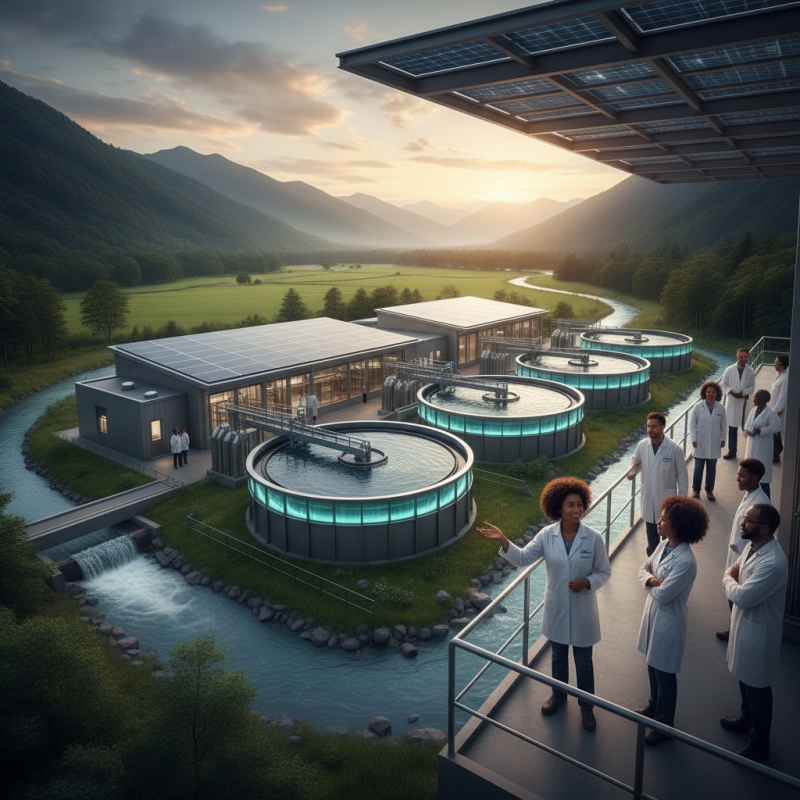
Overview of Water Treatment Solutions in the Global Market
The global water treatment market is diverse and complex. Countless solutions exist to address various water quality issues. In many regions, access to clean water remains a challenge. Treatment technologies range from simple filtration to advanced chemical processes. Each method has its strengths and weaknesses. This complexity requires careful consideration of local conditions and needs.
Emerging markets face unique challenges. Often, technologies that work well in developed countries are less effective in resource-limited settings. Economic factors can limit access to the best options. It’s crucial for buyers to understand local water sources and treatment requirements. In some cases, investing in staff training and community engagement proves necessary for successful implementation.
While technological advancements are promising, not every solution is suitable for every region. Buyers may encounter issues like infrastructure gaps or cultural resistance. Such realities highlight the need for adaptable solutions. Rigorous testing and feedback loops are essential. They ensure that chosen methods genuinely enhance water quality over time.
Key Technologies in Comprehensive Water Treatment
Water treatment technologies are vital in managing global water challenges. Advanced filtration methods feature prominently in these solutions. Membrane filtration, for instance, effectively removes contaminants. This technology includes microfiltration and reverse osmosis, both ensuring clean water. However, implementation can be costly, posing a barrier for developing regions.
Chemical treatment processes remain essential. Chlorination and ozonation help eliminate pathogens. Yet, reliance on chemicals raises concerns over byproducts. These can sometimes create their own environmental issues. Continuous monitoring is necessary to assess water quality, highlighting the need for better assessment tools.
Emerging technologies include advanced oxidation processes. These methods break down organic pollutants efficiently. They require careful operational protocols to avoid incomplete reactions. Evidence suggests that these technologies can improve treatment efficiency. However, further research is crucial to enhance their viability and robustness in diverse settings. Water treatment is an evolving field, continually aiming for improved solutions.
Best Comprehensive Water Treatment Solutions for Global Buyers
| Technology Type | Application Area | Efficiency (%) | Cost (USD/Unit) | Market Availability |
|---|---|---|---|---|
| Reverse Osmosis | Desalination | 98 | 2500 | Global |
| Ultraviolet Disinfection | Wastewater Treatment | 99.99 | 1500 | North America, Europe |
| Activated Carbon Filtration | Drinking Water Purification | 85 | 800 | Global |
| Membrane Bioreactors | Industrial Wastewater | 90 | 5000 | Asia, Europe |
| Electrocoagulation | Heavy Metal Removal | 95 | 3000 | Global |
Factors Influencing Buyers' Decisions in Water Treatment Solutions
When selecting water treatment solutions, several key factors influence buyers' decisions. Quality and effectiveness of the treatment processes are paramount. Buyers seek systems that demonstrate proven results. Clarity about contaminants removed and efficiency metrics is crucial. Transparency in operation boosts trust.
Cost is another significant factor. Buyers assess not only initial investments but also long-term operational costs. Budget constraints can limit choices. However, a low upfront price can lead to higher maintenance expenses. Evaluating total cost of ownership is essential.
Finally, ease of use and maintenance play vital roles. Complex systems may deter buyers who prefer straightforward operations. User-friendly designs, accessible maintenance, and support options are appealing. Buyers also value reliable information and expert recommendations. Clear communication fosters a sense of reliability, aiding decisions.
Top Global Suppliers of Water Treatment Systems
When considering water treatment systems, it’s crucial to focus on suppliers with proven expertise. A reliable supplier understands the complexities of water quality challenges. They often have experience in various environments, from industrial needs to municipal applications. Their comprehensive solutions address diverse contaminants like heavy metals, bacteria, and organic substances.
Many global suppliers collaborate with local entities. This partnership allows them to tailor solutions to specific regional needs. For example, they conduct thorough assessments to identify the most pressing water quality issues. They also provide training for local personnel. This ensures that systems operate effectively and sustainably.
Some suppliers offer advanced technologies, yet they may not always meet the needs of every buyer. A one-size-fits-all approach often leads to unsatisfactory results. Buyers should seek out suppliers willing to adapt their products and services. Transparency in discussing potential limitations is essential. Effective communication can help buyers make informed decisions that suit their unique situations.
Future Trends in Water Treatment Technologies and Solutions
The water treatment industry is evolving rapidly. New technologies are emerging, driven by the need for cleaner and safer water. Environmental and health concerns are pushing companies to innovate. Advanced filtration systems and smart monitoring solutions are on the rise. These technologies help in detecting pollutants early and ensuring compliance with safety standards.
Innovative approaches are also redefining wastewater management. Bioremediation and membrane bioreactor technologies show promise for recycling water efficiently. However, challenges remain. The cost of implementing advanced technologies can be high. Smaller organizations might struggle to keep pace. There's also a need for regulations to catch up with technological advancements.
Integrating renewable energy sources into water treatment processes is another trend. Solar and wind energy are being harnessed to power treatment plants. While this shift is beneficial, it introduces complexity in implementation. Balancing cost and sustainability is crucial. Overall, the future of water treatment lies in innovation, collaboration, and a focus on environmental preservation.