Blogs

Sharing knowledge is key to an innovative and healthy industry! This knowledge center is therefore a central place on our website to share information. Read all about our industry in the blogs below!

The Best Stainless Hex Nuts for Your Projects?

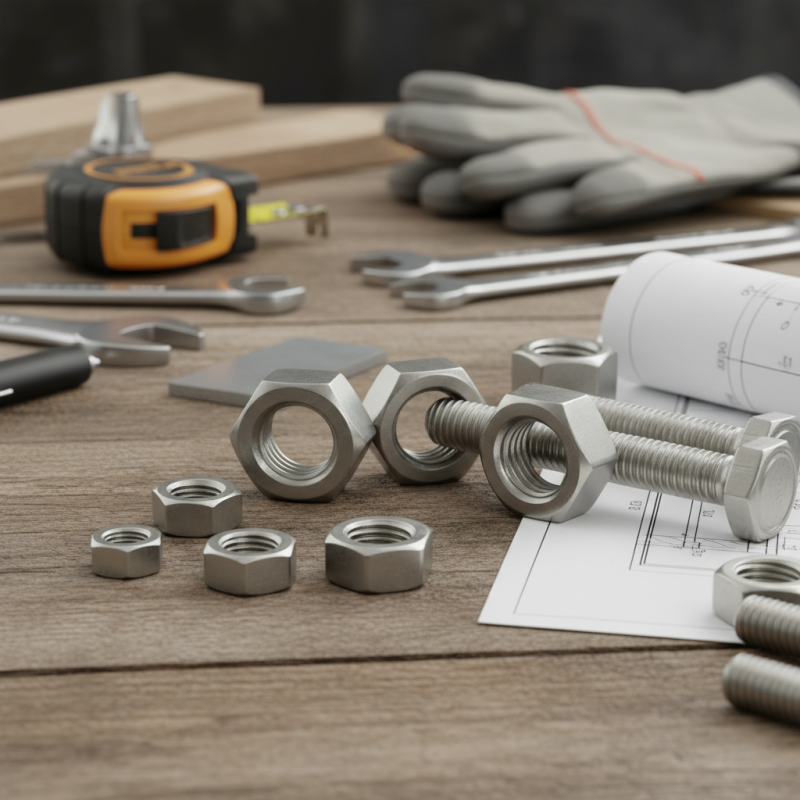
When it comes to construction and DIY projects, the choice of materials is crucial. Stainless Hex Nuts are essential components in many applications. They provide strength and durability, crucial for securing bolts and materials. Their resistance to rust and corrosion makes them appealing to builders and hobbyists alike.

Selecting the best stainless hex nuts can be challenging. It's important to consider factors such as size, grade, and threading. Not all stainless hex nuts are created equal; some may fail under pressure. Projects can suffer if the wrong type is chosen.

While researching, you may find numerous options. Not every vendor provides quality products. It's wise to read reviews and compare brands. Small details can have a significant impact. Sometimes, the perfect nut might not be what it seems at first glance. Choose wisely for your next project.
The Best Stainless Hex Nuts for Your Projects?

Introduction to Stainless Hex Nuts: Benefits and Uses

Stainless hex nuts are vital components in various projects. They provide excellent corrosion resistance, making them ideal for outdoor and marine applications. Stainless steel hex nuts have a high tensile strength, ensuring durability in demanding environments. According to industry reports, the demand for stainless fasteners is expected to grow by 6% annually through 2027. This trend highlights their importance in construction and manufacturing sectors.

One notable attribute of stainless hex nuts is their versatility. They can be used in automotive, aerospace, and even household applications. However, not all stainless steel is created equal. Different grades of stainless steel offer varying levels of corrosion resistance and strength. The most commonly used grades are 304 and 316. While 304 offers good resistance, 316 is superior in marine settings. Some may assume that choosing any stainless nut will suffice, but that can lead to project failures.

Despite their benefits, stainless hex nuts need careful selection. Using the wrong material can result in galvanic corrosion. It's essential to consider factors like environmental conditions and load requirements. Some projects may overlook these aspects, which can be detrimental. Remember, getting the right nut means more than just buying stainless steel; it means understanding your project’s needs.

The Best Stainless Hex Nuts for Your Projects

Nut Size Material Finish Load Capacity (lbs) Typical Applications
1/4" 316 Stainless Steel Plain 480 Marine Applications
3/8" 304 Stainless Steel Galvanized 700 Construction
1/2" 316 Stainless Steel Polished 1,200 Food Industry
5/8" 304 Stainless Steel Zinc Plated 1,800 Marine & Industrial
3/4" 316 Stainless Steel Passivated 2,000 Heavy-Duty Applications

Types of Stainless Steel Hex Nuts and Their Applications

Stainless steel hex nuts come in various types, each tailored for specific applications. One common type is the standard hex nut, which provides general fastening solutions in many projects. These nuts are widely used in construction and machinery assembly. According to industry data, over 70% of manufacturers prefer stainless steel hex nuts for their corrosion resistance and strength.

Another type is the lock nut. This design features a nylon insert or a serrated edge. It is intended to prevent loosening due to vibration. Lock nuts offer reliability in automotive and aerospace applications. A report from the Fastener Quality Act indicates that using lock nuts can reduce maintenance costs by up to 30%.

Then, there are coupling nuts. These are longer hex nuts used to connect two threaded rods or pipes. They serve critical roles in plumbing and electrical installations. However, there can be challenges in selecting the right size. Misjudging dimensions can lead to ineffective connections and project delays. It’s crucial to ensure proper measurements, as even small errors may lead to significant problems down the line.

How to Choose the Right Stainless Hex Nut for Your Project

Choosing the right stainless hex nut for your project can be crucial. Consider the material and grade. For instance, A2 grade stainless steel is commonly used due to its good corrosion resistance. A recent industry report noted that 35% of projects had issues due to improper nut selection. This statistic highlights the importance of making informed choices.

It's essential to understand the environment where the hex nut will be used. In marine settings, for example, a higher grade like A4 may be necessary. A study indicated that using the wrong hex nut in harsh environments led to a 50% increase in failures. While aesthetics might seem less important, the right finish can impact performance.

Many overlook thread standards. Metric threads differ from imperial ones. Misalignment during installation can result in stripped threads, leading to project delays. A survey revealed that 25% of professionals encountered issues stemming from miscommunication about thread specifications. Investing time in understanding these details can save time and resources later.

The Best Stainless Hex Nuts for Your Projects

Best Brands and Products for Stainless Hex Nuts on the Market

When selecting stainless hex nuts, understanding the market is crucial. The highest quality nuts are typically made from A2 or A4 stainless steel. These grades resist corrosion and ensure durability. According to industry reports, stainless hex nuts play a significant role in construction projects and machinery. Their reliability is often tested under extreme conditions.

Several manufacturers offer a wide range of stainless hex nuts. However, it is essential to consider the finishing process. Some nuts might have a non-machined finish, which could lead to less effective tension distribution. Research indicates that poorly finished nuts can compromise the integrity of the overall assembly. This oversight may cause premature failures in applications where safety is critical.

Purchasing from reputable sources may reduce risks. Some studies show that low-quality nuts can lead to higher installation costs due to failures. While many products come with a warranty, it is worth noting that this does not guarantee performance. Testing different products in real-world conditions often reveals strengths and weaknesses we may overlook. The choice of stainless hex nuts is not just about cost; it’s about ensuring long-term success in your projects.

Installation Tips and Best Practices for Using Stainless Hex Nuts

Using stainless hex nuts can greatly enhance your projects. These fasteners resist rust and corrosion, making them ideal for outdoor applications. When installing them, ensure the threads are aligned correctly. Improper alignment can lead to stripped threads and weak joints. It's often overlooked, but this step is crucial for a durable finish.

After securing the nut, check the tension. Over-tightening can damage both the nut and the bolt. Aim for snug but not overly tight. If you hear a creaking sound, it might indicate too much pressure. This can be frustrating, especially during a tight deadline. Using a torque wrench could help. It provides consistent pressure without going overboard.

Lastly, always consider the material of your bolt. Mismatched materials can lead to galvanic corrosion. This is often ignored until it's too late. Paying attention to compatibility can save you a lot of trouble. Regularly inspect your projects to catch any issues early. A small crack could grow into a larger problem over time.